

Elevate Mental Health Treatment with BrainsWay Deep TMS™

Deep Transcranial Magnetic Stimulation (Deep TMS) is an advanced, non-invasive treatment that uses targeted magnetic pulses to stimulate specific areas of the brain involved in mood, behavior, and emotional regulation.

Unlike medications, Deep TMS does not circulate through the body and does not cause systemic side effects such as weight gain, fatigue, or sexual dysfunction. Unlike Electroconvulsive Therapy (ECT), it does not require anesthesia or cause memory loss.

Deep TMS is FDA-cleared for several mental health conditions and has helped thousands of patients worldwide find relief when medications and traditional therapy have not been enough.

How Deep TMS Differs from Standard TMS

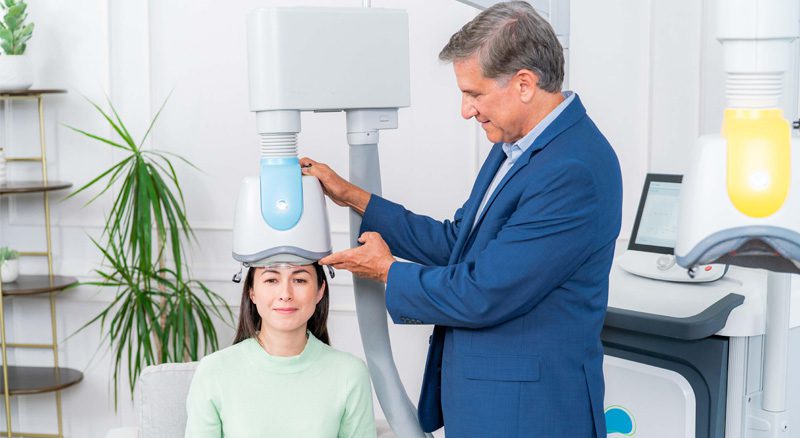
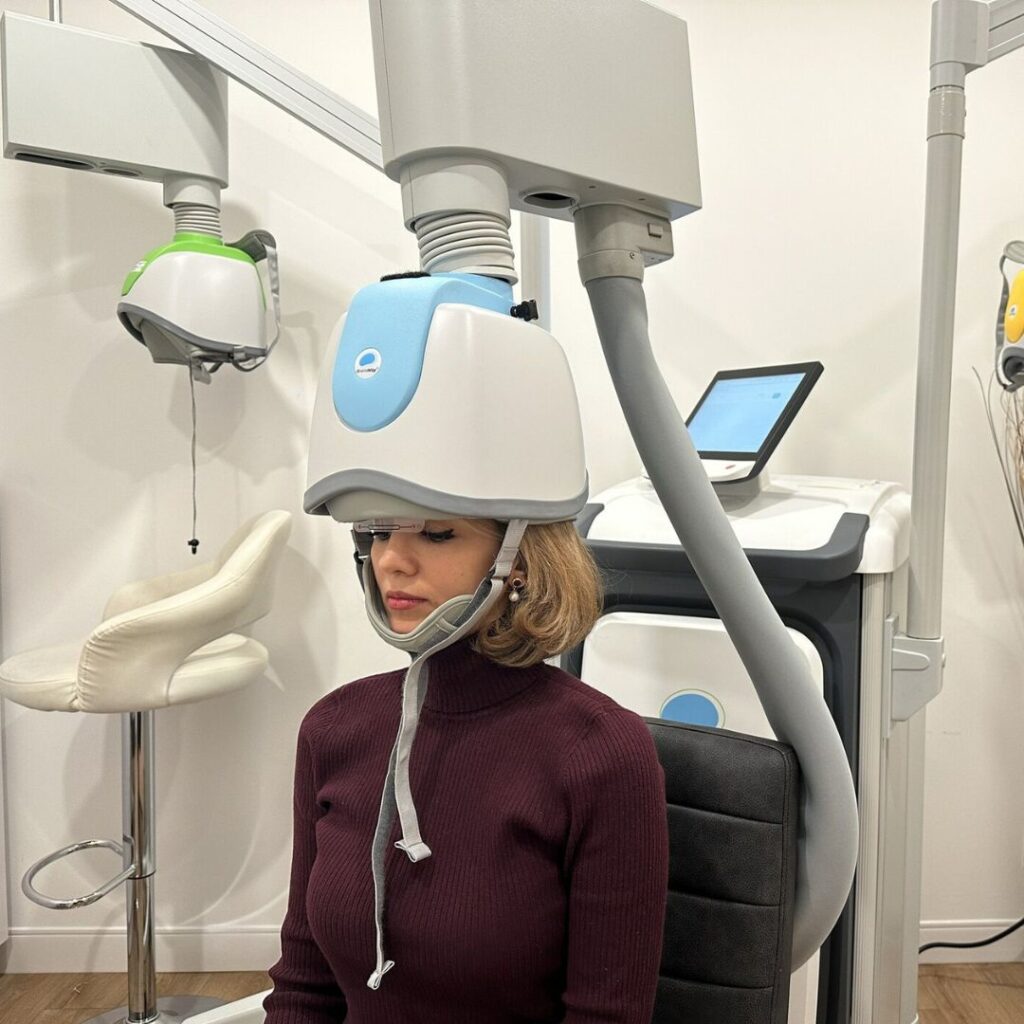
Deep TMS uses a specialized helmet containing patented H-Coil technology that allows magnetic stimulation to reach deeper and broader brain networks than conventional TMS systems.

This broader stimulation may be beneficial for patients with complex or treatment-resistant conditions.

Key Advantages of Deep TMS

  • Non-invasive and drug-free
  • No anesthesia or sedation required
  • Minimal side effects
  • Sessions typically last 20 minutes
  • Resume normal activities immediately after treatment
  • FDA-cleared technology
  • Can be used alongside medications and psychotherapy

What Conditions Does Deep TMS Treat?

Deep TMS is primarily used to treat mental health conditions that involve dysregulated brain circuits.

Major Depressive Disorder (Depression)

Major Depressive Disorder (Depression)

Deep TMS is highly effective for adults experiencing depression, particularly when antidepressant medications have not provided sufficient relief.

Anxiety Symptoms Associated with Depression

Anxiety Symptoms Associated with Depression

Many patients with depression also experience excessive worry, tension, and panic symptoms. Deep TMS may help reduce both depressive and anxious symptoms.

Obbesive

Obsessive-Compulsive Disorder (OCD)

Deep TMS is FDA-cleared as an adjunctive treatment for adults with OCD and can help reduce intrusive thoughts and compulsive behaviors.

Smoking Addiction

Smoking Addiction

Deep TMS is also FDA-cleared as an aid for short-term smoking cessation in adults.

Late-Life Depression treatment

Late-Life Depression treatment

Our recent FDA clearance demonstrates the reduction of depression symptoms among elderly patients, aged 68-86.
How Does Deep TMS Work?

Mental health disorders are associated with changes in activity within specific brain networks.

Deep TMS delivers magnetic pulses that safely activate and regulate these neural circuits, helping restore healthier patterns of brain function.

Treatment Process

  1. Initial Evaluation – A psychiatrist determines whether Deep TMS is appropriate.
  2. Brain Mapping – The optimal stimulation settings are personalized.
  3. Treatment Sessions – You sit comfortably while wearing a helmet that delivers magnetic pulses.
  4. Progress Monitoring – Symptoms are tracked throughout treatment.

Typical Treatment Schedule

  • 5 sessions per week
  • 4 to 6 weeks of acute treatment
  • Additional maintenance sessions when needed

Many patients begin noticing improvement within two to four weeks, though response times vary.

Deep TMS

Why Choose Deep TMS at Possitive Vibes?

At Possitive Vibes, we combine advanced neuroscience-based treatment with compassionate, personalized care.

Our experienced mental health professionals work closely with each patient to develop a tailored treatment plan focused on lasting improvement and better quality of life.

What You Can Expect:

  • Comprehensive psychiatric evaluation
  • Personalized treatment planning
  • Safe and comfortable sessions
  • Ongoing progress monitoring
  • Supportive clinical team

Frequently Asked Questions (FAQs)

Is Deep TMS safe?

Yes. Deep TMS is FDA-cleared and has been extensively studied. It is generally well tolerated with mild, temporary side effects.

Does Deep TMS hurt?

Most patients describe the sensation as tapping on the scalp. Discomfort usually decreases after a few sessions.

How long is each session?

Sessions typically last around 20 minutes, depending on the protocol.

When will I notice results?

Some patients improve within two to four weeks, while others notice benefits later in the treatment course.

Can I continue my medications?

Yes. Deep TMS is commonly used alongside medications and psychotherapy.

Can I drive after treatment?

Yes. There is no sedation, so patients can usually drive and resume daily activities immediately.

Is Deep TMS covered by insurance?

Coverage varies by diagnosis, treatment history, and insurance policy.

How successful is Deep TMS?

Response rates differ by condition and individual factors, but many patients experience meaningful symptom improvement, including those who did not respond to previous treatments.

How many sessions will I need?

A typical course includes 20–30 sessions over four to six weeks, with maintenance sessions when clinically indicated.